Be yourself; Everyone else is already taken.
— Oscar Wilde.
This is the first post on my new blog. I’m just getting this new blog going, so stay tuned for more. Subscribe below to get notified when I post new updates.
Be yourself; Everyone else is already taken.
— Oscar Wilde.
This is the first post on my new blog. I’m just getting this new blog going, so stay tuned for more. Subscribe below to get notified when I post new updates.
With thousands of marketing tools, one question might occur in your mind: why Google Ads? There are various answers to different people, but all of them are looking for benefits. The benefits of Google Ads are built on these principles: relevance, control, and results.
Google Ads have various campaign types to help different businesses to promote themselves.
| Campaign types | Function |
| Display | Create brand awareness when potential customers are searching relevant information. |
| Shopping | Promote the information of the product or the inventory. |
| Search | Encourage potential customers to purchase when they are searching in Google. |
| Video | Approach target customer by visual format. |
| App | Increase engagement, app installs and even in-app actions. |
| Specialised campaign types (Local, Hotel, Discovery) | Reach target users across the YouTube Home Feed, Gmail and Google’s Discover Feed. |
What is the most helpful function of Google Ads for business? It is no doubt that the answer would be searching. When a user is looking at the relevant information in Google, Google Ads push the relevant product or company to the potential customers.
In order to have a better marketing performance to approach the target customer, Google Ads users can optimize the Google Search campaign. In the beginning, the user needs to consider four aspects: the location of the ads, the budget of the campaign, the content of the ads, and the keyword of the ads. In Google Ads, the user can control the following components: Campaign, Networks, Devices, Location and Language, and Bidding and Budget. Users can get the right customer by customizing these components. To improve the effectiveness of the Google Search campaign, Ad extensions, Start and end date, and Ad scheduling are other tools in regard to the content and time of the ad.
After the user customizes the overview of the Google Search campaign, he/she also needs to manage the searches that will prompt the ads. The following steps would be helpful before managing the searches:
Next, the user should reach the broad with suitable match types. The fundamental match types include Broad match and Broad match modifier. The function of these two match types is to approach the wide target group. If the user wants to narrow the target group, Phrase match and Exact match can be the option.
The match types are applied based on the keywords and Dynamic Search Ads can complement the keyword strategy for the user. Dynamic Search Ads can help the user increase the reach of search campaigns. Dynamic Search Ads can help the user to Reach and coverage and increase efficiency and time savings. Dynamic Search Ads are more transparent and controllable than other tools.

After creating the text ad, Google Ads auction can help the user identify how the ad will be performed. Google Ads auction uses an auction system to rank the ads that appear on the search results page and to determine the cost for each ad click. The ads will provide relevant customers that increase the efficiency of the ad. The Ad Rank will determine the ad position by the quality of the ad. The high-level ad will appear first. Expected click-through rate, Ad landing page experience, and Ad Relevance the quality of the ad. Higher-quality ads typically lead to lower costs, better ad positions, and more advertising success.
Since the Ad Rank will affect the performance of the ad, the user should improve the Ad Rank of his/her ad. Quality Score is an estimate of the quality of your ads, keywords and landing pages. Higher-quality ads can lead to lower prices and better ad positions. Here are the methods to improve the Quality Score:

Text ad on Search is the simplest online ad that provided by Google Ads. To effectively reach potential customers, text ads should be informative, relevant and engaging. A text ad includes a headline, a URL and a description. Each description field has up to 120 characters to describe the product or company. The following pointe indicate the tips to create a good Google Ads
Responsive search ads let you create ads that adapt to show more relevant messages to your customers. The more headlines and descriptions that enter, the more Google Ads can test and serve ad variations that match users’ search terms – which can improve the ad performance. Responsive search ads are beneficial on Flexibility, Relevance, Reach, and Performance.
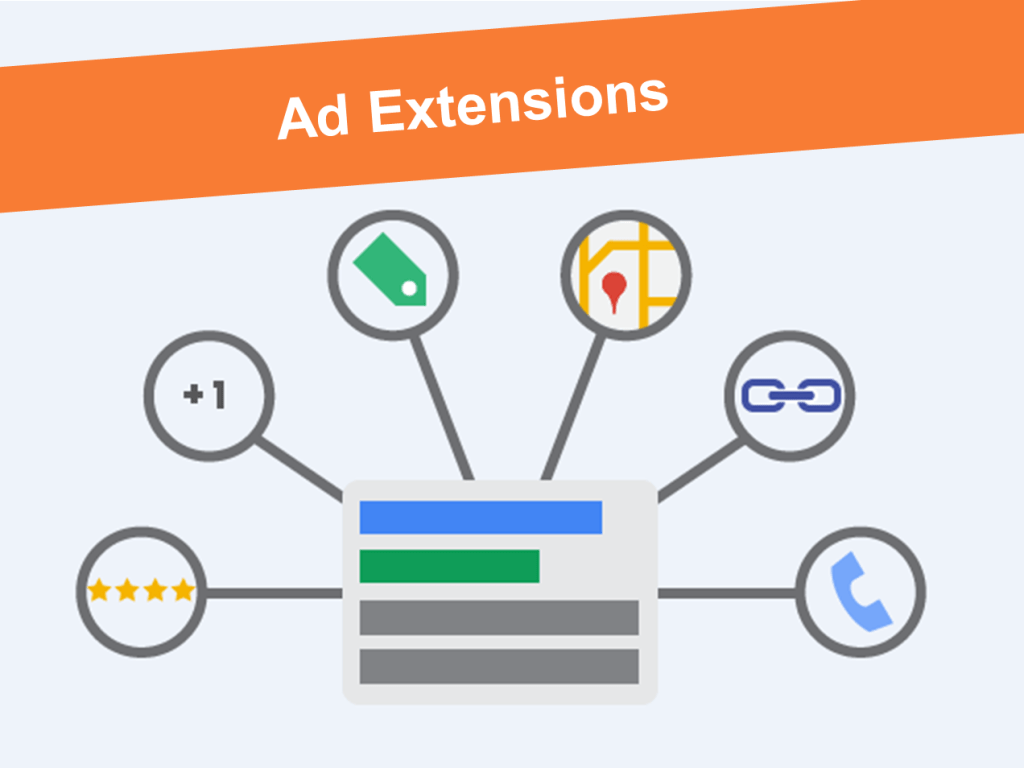
The relevant information provides by Google can increase customers ‘engagement, provide customers a better Ad, and offer more valuable lead to customers. Ad extensions enrich text ads by showing extra information about the advertiser’s business. There are three extensions that every business owner should be using to enhance their text ad: sitelinks, callout extensions, and structured snippets.
If the user not familiar with the extension, Google Ads also provides the Automated ad extensions. Automated ad extensions similar to advertiser-provided ad extensions, automated ad extensions give consumers relevant information upfront, which can often translate into more qualified leads.
Bidding is one the most essential point for a successful campaign, it will directly affect the campaign performance. Google Ads automated bidding can help the business to increase efficiency, save time, raise accuracy, and discover meaningful data. As a result, it is important to choose an appropriate bidding strategy. The following strategies are provided by Google Ads.
Google’s Audience Solutions is a set of strategies and products that help the business reach high-value customers, in the moments when they’re ready to buy the products offered by the business. Audience Solutions allow the business to create audience lists to layer on the ad groups, combining intent and insights to send the right message to the right customer with the right bid. By utilizing Audience Solutions, the business can create awareness, drive consideration, and increase purchases and loyalty with existing customers. The nest step is approaching potential customers with Google’s Search Audience Solutions. Different types of audiences have various concerns.
The businesses suppose to understand their customers most and they are able to use these knowledges to approach the marketing goal. The methods below are useful to business to get better achievement.

Optimisation score is the function that provide recommendations right in Google Ads, making it easy to increase campaign performance and reach the right people in moments that matter. Google Ads is utilizing optimisation score to make optimising search campaigns easier. Optimisation score runs from 0% to 100%. The higher score, the more the account is running to its full potential. Optimisation score runs an algorithm that looks across key aspects of the accounts, including statistics, settings and industry trends, to determine whether the campaigns are fully optimised. The purpose of optimisation score is to help the business to make the advertising more efficient, reach new audiences and spend smarter.
Planning is an important part to achieve the success of Google Ads. By planning your Google Ads budgets on a monthly basis in advance, it can help ensure that when people need products or information, the ads can meet them at the right time to help to maximize conversions and achieve the key performance indicators. Performance Planner is a new forecasting tool that uses machine learning to reveal the possibilities for the Google Ads campaigns. Here are the ways that Performance Planner forecast campaign performance.
The method of operating Performance Planner including the following steps:
The reason for using Performance Planner every month is it optimize the budgets and bids so that the business can drive more conversions for the same investment.

After finishing this course, I believe is one of the most effective marketing tools in the Internet age. Google Ads differs from other social media marketing tools because of its powerful function. Google Ads almost covers all the factors of the marketing strategy, including segmentation, content design, and plan implementation. Meanwhile, the user has the ability to customize the budget based on his/her own needs. I think this marketing tool will beneficial to small businesses in regard to creating an effective marketing campaign. The local bakery can be a persuasive example. Normally, a small business does not have a large budget in marketing. Google Ads allows the owner to customize the budget plan based on the need. The owner also does not need to worry about he/she does not have professional marketing knowledge, Google Ads have the various automatic function to provide a recommendation. Google Ads can also optimize the ad locally based on calculation. In this case, a small business can create an effective marketing camping to approach its right customer.

Google. (2019). Google Ads Search Certification. Retrieved from https://skillshop.exceedlms.com/student/path/18163-google-ads-search-certification
In his video “The ROI of social media marketing”, Carlos Gil introduces the concept: “return on investment” in the field of social media marketing. Under this topic, Gil first discusses how to set up a strategy to create a significant business return on investment. As an organization, it is important to ensure the customers’ network, understand the usage of social media from competitors, and identify the purpose of utilizing social media. Then, Gil talks about the four pillars of social media, which are content, community, consistency, and conversion, and explains their characteristics. Community is the most effective element based on its diversity of function. After understanding the element on social media marketing strategy, organizations should know what metrics they need to measure based on content and purpose. Gil offers some possible metrics can be measured, such as impressions, engagement, views, and the average watch time. Organizations can get insight into the content’s performance based on these metrics. However, what tools can be used by the organization to measure these metrics? Gil provides different answers based on the size and need of business. These tools can help organizations to monitor all the activities and performance on social media. In order to make a strategic decision, organizations are able to use their own data to choose the most effective tool to measure social media performance. Gil mentions various examples for different platforms, such as Facebook Creator Studio, Twitter Insights, and Instagram Analytics. During the analytic process, the organizations can retain their advantage and fix the issue on time.

This section discusses the ways to discover valuable information through social media and the meaning of this data. Gil first uses Facebook Insights as an example. Facebook Insights is able to make Facebook page performance become a visual overview of the different time periods. The organization can monitor various components in its Facebook account. The organization can have a valuable reference document to do any improvement regarding Facebook. After understanding the data from Facebook Insights, it is time to create ROI in the sale via Factbook ads. Facebook ads are friendly to various businesses, no matter the size, and effective based on demographic and interest-based data. What the organization should do is set aside a monthly Facebook ad budget based on need. In order to get engagement, repurposing top-performing can be a helpful method. The organization is able to use Facebook Insights to find out the most popular content and repurposing. The next step is calling on action on purchasing through Facebook. The organization’s Facebook page can become a shoppable online storefront where the product can be listed for sale. Since this function is paid, the organization needs to set aside the marketing budget to run the ads on Facebook.
Another helpful tool to discover data is Instagram Insights. However, the components that are monitored in Instagram Insights are different from Facebook Insight. Gil mentioned that “Like” does not have so much meaning; in contrast, the organization should track the change on Comments, Bookmarks, and Shares. These metrics can identify the content on Instagram is engaging the audiences or not.

Gil displays the ways to drive ROI within the various channel in this section. Based on the value of LinkedIn in the business field, it is necessary for the business to build its own brand on LinkedIn. For getting more attention from the target audience on LinkedIn, the organization should optimize the LinkedIn profile. The following steps can use in the profile’s optimization:
After optimizing the profile, the organization can reach out to more potential customers or the potential buyers might come for the organization. Finding out who views the profile and try to identify the reason. However, the organization needs to remember do not sell the product or service to these people if they just view the profile. It is better to start a small conversation with them in order to build a deeper relationship.
YouTube is another tool that is able to drive ROI. Since YouTube differs from social media, the website will run ads in the users’ video and users can create profit in this pattern. However, it does not mean the organization can earn views and revenue without any preparation. YouTube requires the channel to own at least 1000 followers to run ads for profits. After achieving this requirement, users can decide which video they want to monetize. Meanwhile, the organization needs to monitor the top video in the past 28 days and analyze them. YouTube can also combine with other social media platforms.
Once the organizations understand the procedure of earning money on YouTube, they can focus on the optimization of the video. Gil provides some tips regarding this topic:
The next tool for driving ROI is Twitter, which is similar to YouTube. Its similarity with YouTube requires the user to be active in the account. The organization needs to understand the key searching words from customers, create content consistently, and respond quickly. Meanwhile, just like operating other social media, monitor the performance of Twitter.

In this section, Gil continues to discuss the tools that can generate and maximize ROI effectively. The Twitter card is a method that can specialize in the organization’s content from thousands of tweets. Twitter card can help the user to gain more traffic without pushing your followers to click the unknown link.
Instagram stories under a new marketing strategy, which is social media storytelling. Since the lifeline of Instagram stories is 24 hours, the content should be short and attractive. Gil mentions some tips can make the story perform better:
After discussing different social media in regard to driving ROI. Gil indicates some skills that are valuable in various platforms and writing ability is one of them. When writing AD copy for social media, the content should be short, direct, and objective. The angle of the content comes from the customer but not the marketers. Initiating purchase is good; however, establish a relationship with customers is more important. YouTube is a website that contains large traffic. In this case, the embedding website link in the video can drive traffic and potential warm leads to the organization’s website. One reminder is the embedded link should point to the website that own by the channel user. In order to make the content worthy, the organization needs to monitor the website’s traffic derived by the post in social media. Gil recommends two cost-effective tools for tracking, which are Bit.ly and Google Campaign URL Builder. Using these tools can help the organization to find out the best-performing posts within a period of time and the organization can repost them to expand their life cycle.

The most impressive thing from this video is the way that uses YouTube to drive ROI. YouTube is a unique social media platform compared to other social media websites; it is a video-based social networking tool. In this case, the procedure of generating profit is different based on its uniqueness. Self-employed and freelancers can gain more benefits under this pattern since they have a limited budget for branding and marketing. YouTube is an effective start point for small business owners to conduct marketing strategy, get attention from the audience, and build a foundation for further expanding. In the real-world, more and more business owners start a business on YouTube and the brand is growing significantly. Jeffree Star is one of the hottest YouTubers and he founded his e-commerce makeup brand, Jeffree Star Cosmetics, in 2014. After that, he starts to promote his brand on YouTube. Until June 2019, his YouTube channel acquired 15 Million subscribers and over 1.7 billion views. Meanwhile, his cosmetics brand is worth multi-million dollars. Jeffree start his cosmetic career with almost nothing, but his video on YouTube helps him to find the first bucket of gold in this industry and he still promotes his product on YouTube. The story of Jeffree shows the value of YouTube in driving ROI for a brand.
LinkedIn Learning. (2019, October 9). The ROI of social media marketing. Retrieved fromhttps://www.linkedin.com/learning/social-media-marketing-roi-2/the-roi-of-social-media-marketing?u=2109516
Jeffree Star. (2020, March 13). In Wikipedia. Retrieved from https://en.wikipedia.org/wiki/Jeffree_Star
In her video, Megan Adams how Social CRM helps businesses to better understand customers and conduct a better performance in marketing and sales.
Adams indicates that many organizations will utilize customer relationship management software to grow and scale the business. In this case, choosing a suitable CRM platform is an essential step. The first consideration of determining a CRM platform is purpose. What is the purpose of choosing a specific CRM platform: marketing or sales? The second point is the size of the platform. What kinds of service on this platform can provide? Last, the compatibility of the platform. Can this platform integrate other services? Adams also brings in several platforms that can provide various services to businesses.
Social CRM as new technology can initiate opportunities and challenges at the same time. Adams provides some suggestions about the allocation of resources to ensure success:
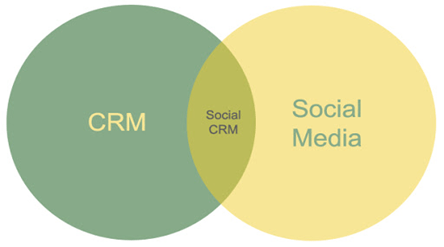
Under this section, Adams discusses the way to develop the Social CRM strategy. For the organization, a brand is a powerful tool that can differentiate it from other competitors. Based on this function, when business is adopting Social CRM, it needs to develop the brand from two perspectives: humanization and personalization. The organization can involve in the communication within customers to enhance humanization and allow customers to build their own expertise to increase personalization.
After the discussion of the brand, Adams introduces how to set the rule of engagement. The rule of engagement is the foundation of social CRM’s management, execution, and handling. The standers are dependent on the organization, including the style of responding customers, guidelines for announcing company-wide issues, and the process of brand monitoring. Gathering information from these methods can be helpful to establish a transparent and engaged community with customers.
Social CRM changes the style marketers operate campaigns, especially in segmentation. Marketers are able to segment their target market by social CRM, such as job and age. Then, marketers can personalize campaigns based on various data. The campaigns are more effective and targeted. The result is the decrease in marketing costs and the increase in attention.

When the organization has set up all the preparation of social CRM, it is time to manage it. The very first step is finding out the influencers and utilize their influence. She offers some tips about social media monitoring:
Since social CRM is widely applied by the organization, there are more for it to engage and communicate with prospects. To approach the potential prospects, the organization should be able to display blueprint as complete of a picture of the prospect as possible. Compare to hard sales, allowing the prospects to understand the organization through social media. Monitoring the trending topics of the prospects to find out their pain. In the end, send a message to the prospects during a suitable timing for starting communication. All the effort is building a strong with the prospects.
Adams believes that social CRM is about customer retention in an environment that the customer feels comfortable interacting. The operation of social CRM includes many factors of customer service. In order to provide better customer service, the organization can monitor and understand the brand. Then, identify the customer’s problem and take action to solve it. Acknowledge the loyal customers and get a return (recognition). Last, resolving the issues (negative feedback) through social media.

In this topic, Adams first emphasize the importance of process documentation and introduce how to do it. In order to prepare effective process documentation, the organization needs to ensure the issues of the business process. Next, establishing a connection with customers through new technology. The last step is providing more personal communication via various media. The organization should pay more attention to the process and based on this to choose a suitable tool.
After all the data are well organized, it is time to analyze them. Adams provides some recommendation about how to analyze the data from social CRM:

From this lecture, the thing that most impressed me is the rule of engagement. As mentioned in the video, more and more customer service is provided via social media. In this case, the performance in responding is essential. In my Pubic Relation course, I have a social media audit assignment require me to track two companies’ social account in seven days. My choices are Starbucks and Tim Hortons and I find that the performance on responding can affect the engagement significantly. An active social account of an organization can builds a positive brand image and create add-on benefits on the brand. One of the significant effects is the followers of Starbucks are much more than Tim Hortons. The result is Starbucks has more interaction with current/potential customers and uses this interaction to improve the organization. “The most crucial aspect of Social CRM is ensuring swift, relevant responses to customer queries” (Act! Blog, 2017). For organizations, setting an effective rule of engagement is to create a more approachable first impression to customers.

LinkedIn Learning. (2018, April 11). Social Media Marketing: Social CRM. Retrieved from https://www.linkedin.com/learning/social-media-marketing-social-crm/welcome?u=2109516
Act! Blog. (2017). Social CRM: How customer support can benefit from social media. Retrieved from https://www.act.com/act-blog/post/blog/2017/05/26/social-crm-how-customer-support-can-benefit-from-social-media
In his video “Learning LinkedIn for Students”, Oliver Schinkten educates the audience how to create a LinkedIn account as a student. Under this section, Schinkten introduces the ways to customize the main page of the LinkedIn account of a student’s user. The section is divided into three parts: basic information, professional experience, and supplementary materials.
First, displaying the personal information and summary as a student. Regarding the personal information, the following points should be included:
As Schinkten mentions, Summary is an essential portion can share the mission statement, career goal, and personality of a student. He suggests student user should pay attention of this section and keep the following points on mind: continue to update the personal profile, think about self identity, and catch the opportunity of showing achievements and skills.
Second, showcasing the professional experience as a student which included:
Last, Schinkten recommends some supplementary materials that can improve a student LinkedIn profile:

Schinkten discusses the creation and exploration of he networks of LinkedIn. He suggests that student need to create the network selectively by three categories: advocate, strategic expert, and subject matter expert. When student is building their network of LinkedIn, the most common way is using the search bar to search the target individuals or organizations. Meanwhile, LinkedIn limit the access of free account and provide more abilities premium account. It is effective to customize the connection based on personal demand.
In order to make the student’s f LinkedIn account becomes more targeted and effective, Schinkten shares some tips that can help students to explore their network:

In this part, Schinkten showcases the activities in LinkedIn that student can participate. The activities can be divided into two types: basic and advance. For basic activities, students can view the feed, follow individuals or organizations, upload content, and send or receive messages.
If students want to establish their account for business networking, they also can attend the advance activities:
Under this topic, Schinkten indicates the method to explore the professional career of LinkedIn as a student from general to specific. The beginning of most job searching is understand the company that can provide the ideal job. There various company list in LinkedIn can help student to be more knowledgeable about the interested organization and prepare for the ideal job position. After generating an overall understanding of the target company, students can dig out the company insights if they are premium member of LinkedIn. More details can be found under the company insight. Then, it is time to seek a specific job. LinkedIn can address all the process of job hunting, from researching to applying. For students, it is easier and more effectively to plan their career in LinkedIn. Schinkten also suggests setting up a job alerts to avoid any missing job opportunity.
As a student user, it is necessary to know how to manage the account based on personal demand. First, understand the difference of premium account and free account can make the LinkedIn activities more targeted and effective. Second, personalize privacy settings and account types. Last, download personal data at fixed period and understand the function of deleting account.

“The LinkedIn profile summary is one of the first things people see when they visit your profile.”
Shields, 2018
From the video, I was impressed by the influence of the Summary section. I do not set up a Summary section before I watch this video. “The LinkedIn profile summary is one of the first things people see when they visit your profile” (Shields, 2018). I believe that create a LinkedIn profile is not only about listing, provide a summary can show to the potential employers how you view yourself. I plan to write a Summary that can show my own personality and career goal to catch the attention.

Shields, J. (2018, September 26). How to Write a LinkedIn Summary (About Section): Examples and Tips. Retrieved from https://www.jobscan.co/blog/linkedin-summary-examples/
LinkedIn Learning. (2018, October 18). Learning LinkedIn for Students. Retrieved from https://www.linkedin.com/learning/learning-linkedin-for-students/welcome?u=2109516
In her video, Megan Adams explains what Facebook advertising is. Facebook ads are an effective marketing tool with a low budget. In order to make a useful Facebook ad, it is essential to identify who is the target audience, what is the ads look like, and how the ads interact with receivers.
Based on the objectives of the Facebook advertainment, the details of the setting procedure can be different. Facebook has its own ad guide for the people who have various goals on promotion. This guide will help users go through comment procedures and customize the ads based on their needs. It is essential to identify the objectives in order to customize the ad. Users can find out the objectives under these three categories:
Adams also discusses how to target the audiences effectively On Facebook. She mentions various methods and relevant examples. These methods including location, demographics, interest, behaviours, connection, and custom audiences targeting option. Location is the most comment one because of its huge influence. Adams believes that the knowledge of basic advertising terminology can be an asset and introduce some examples.

In this section, Adams displays the process of Facebook ads’ operation. The very first step is set up the advertising account on Facebook. Most operations are happened on Facebook ads Manager. User need to associate the account with his/her payment methods. This is a key step because it related with the financial aspects of the campaign. The following processes are simple and common, basically is filling in the business’ information customizing personal setting.
Adams also emphasise the importance of understanding the structure of Facebook advertising. Under this topic, she brings in a concept- ad sets. Ad sets include the target, placement, and budget of a campaign. After all the basic setting are completed, it is time to decide the goals of the campaign. In this step, users need to choose their objective from theses option that provided by Facebook: awareness, consideration, or conversions.

In regards of creating a Facebook ad, audience is a key component. In order to increase the efficiency of the campaign, users need to narrow the audience scope. Users can set up the location, age, gender, and language on Facebook ad to approach their most relevant audience. Another highlight of Facebook ad targeting is interest targeting. Facebook group their users based on the key words of the content and any information they used to click. The users who have similar interests will under the same group. As a advertiser, this function can highly increase the relevance of the campaign. The processes of behaviours targeting, and connection targeting are similar with interest targeting. Adams suggests new advertiser combine three behaviors and interests in Facebook ad creating.
Deciding the budget is almost the most important and difficult part of most advertisers. Adams recommend that focusing on the optimization for ad delivery. Utilizing low life budget in the beginning stage, setting up reasonable schedule and monitoring the ad consistently. After deciding the budget, it is time to ensure the placement of the ad. Adams mentions various placements based on the devices and planforms.
Finally, users go to generate the ad itself. When the users making the ad, they need to keep their objective in mind. However, even the objective can be changed, the overall procedure is similar. Here are the steps:

Finishing the creating section, Adams starts to teach the users how to manage existing ads. Go to the Facebook dashboard, user need to pay attention on few sections.
Adams also indicates how to customize the dashboard based on the demand of the users. Depend on the focus of the users, different section of the account can be heighted, such as the change of the account or the spent on the ads.
Creating a report about the ads can help users understand the operation of the ads deeply and improve the ads in the future. Go to the ads manager for generating the report.
After generating a report of the ads, users need to know how to look at it. The cost pre clicks can identify the ads is profitable or not. Reach can be a reference of decide the increase or decrease on targeting. Based on the number of viewers and clicks, users can find out the efficiency of the ads.
Adams considers the billing summary can also implicate the operation of the ads. From the account spend, users can view the spend on different sections, such as the spend on reach or cost pre click. Advertiser can have a clear understanding on their current balance of their account.

This is a supplementary section that can make the Facebook ads perform better. First, writing an ad with call on action and high-quality image. Regarding image, bright color and suitable size are primary option. Next, considering the aspects can make improvement on the ad, such as measurement of relevance, creation of landing page, and ad fatigue. Last, obeying the policies of Facebook. Remember the 20% role and be honesty and ethical for the ads content.
“Facebook advertising is an important way to connect with your audience on the world’s largest social network”
Newberry, C.
After watching this video, the targeting function of Facebook ads is most impress me. As a marketing student, I learn from the class and understand how essential for advertiser to target the most relevant audience. Location, behaviours, and interests targeting almost provide all the assistance regarding demography and geography in order to approach the target audience, especially for local small business. To narrow the audience scope is way more important for this type of business because they normally have lower budget and their information is high-customised. Meanwhile, testing and monitoring are the most direct way to identify the efficiency of the ads. As Newberry stated, “Every time you try something new, you should test it against your previous ads so you can see whether you’re making improvements to the metrics that matter most to you” (2019). The process of monitoring just like the people view the ads; an advertiser can dig out gold on this process.

LinkedIn Learning. (2019, October 2). Advertising on Facebook. Retrieved from https://www.linkedin.com/learning/advertising-on-facebook-2/facebook-is-an-advertiser-s-dream?u=2109516
Newberry, C. (2019, October 2). How to Advertise on Facebook in 2020: The Definitive Facebook Ads Guide. Retrieved from https://blog.hootsuite.com/how-to-advertise-on-facebook/
In his video “Learning to Write Marketing Copy”, Ian Lurie teaches the audiences how to write marketing copy. He explains the definition of copywriting and the goals of this writing style. Lurie also introduces different types of marketing copywriting and helpful tips for the learner. At the end of this section, he provides background information on the example that will be used in the following lecture.

In this section, Lurie describes the process to write a copy in specific. Before writing the copy, he suggests preparing the needed tools, creates the plan, and get ideas through free writing. During the writing, Lurie believes, writing the first can make the thoughts in order. Then, he recommends some general rules that can be useful for copywriting: direct to readers, focus on quality, and avoid sarcasm. Lurie admits the importance of heading. He hopes the learners can keep the heading clear, make it positive, and identify the difference between caption and heading. He also provides some methods to test the heading is effective or not. After writing the copy, Lurie claims copywriters can sell the page to keep people reading. Next, he offers some tips about structuring for print or online. Typography is an effective tool to improve the copy. Lurie shares some recommendations about typography that are accessible to the copy more scannable.

Lurie discusses the ways to rewrite existing copy in three components. He recommends that the learner need to understand the structure of the existing copy, apply active voice in rewriting, and proofread the draft in the end. Regarding different types of rewriting copy, he mentions various tips based on different purposes.

In the conclusion section, Lurie displays some supplemental tools that help write marketing copy. First, managing the copywriting team as a leader and supporter. Second, setting the editorial calendar effectively based on the goal of the writing. Third, take some steps to manage the brand voice to improve the brand becomes stronger.
“The subject is just letting it happen. You should avoid the passive voice.”
Stephen King
After watching this video, I tried to use more active voice and avoid passive voice in my summary. The result is I got a higher grade in different grammar checking application. Meanwhile, I found some resources that support active voice are more valuable in business writing. As Masters indicated (2015) that “For me, the strongest argument against passive writing is that it often adds unnecessary words to a sentence”. “The subject is just letting it happen. You should avoid the passive voice. “as King stated (2000). I believe the active voice can help copywriting becomes clearer in various reader group. As a customer with international background, I would willing to buy a product with a very straightforward introduction, especially regarding new innovative product. As a copywriter, a direct and clear can help me to reach as much as possible customer in this rapidly developing society.

LinkedIn Learning. (2014, May 30). Learning to Write Marketing Copy. Retrieved from
https://www.linkedin.com/learning/learning-to-write-marketing-copy/welcome?u=2109516
Masters, S . (2015, June 3). Using Active Instead of Passive Voice in Marketing Copy. Retrieved from
King, S . (2000). On Writing: A Memoir of the Craft. Retrieved from
This is an example post, originally published as part of Blogging University. Enroll in one of our ten programs, and start your blog right.
You’re going to publish a post today. Don’t worry about how your blog looks. Don’t worry if you haven’t given it a name yet, or you’re feeling overwhelmed. Just click the “New Post” button, and tell us why you’re here.
Why do this?
The post can be short or long, a personal intro to your life or a bloggy mission statement, a manifesto for the future or a simple outline of your the types of things you hope to publish.
To help you get started, here are a few questions:
You’re not locked into any of this; one of the wonderful things about blogs is how they constantly evolve as we learn, grow, and interact with one another — but it’s good to know where and why you started, and articulating your goals may just give you a few other post ideas.
Can’t think how to get started? Just write the first thing that pops into your head. Anne Lamott, author of a book on writing we love, says that you need to give yourself permission to write a “crappy first draft”. Anne makes a great point — just start writing, and worry about editing it later.
When you’re ready to publish, give your post three to five tags that describe your blog’s focus — writing, photography, fiction, parenting, food, cars, movies, sports, whatever. These tags will help others who care about your topics find you in the Reader. Make sure one of the tags is “zerotohero,” so other new bloggers can find you, too.

 Zoe's Blog